Policy and strategy advisory
Evidence-informed advice on programme design, targeting, sector strategies and the use of research in government and partner decision-making.

What we do · 04
ASER advises on policy and programme design, and trains research, MEL and field teams so skills stay with the organisation — not only with the consultant.
Advisory & Capacity Strengthening
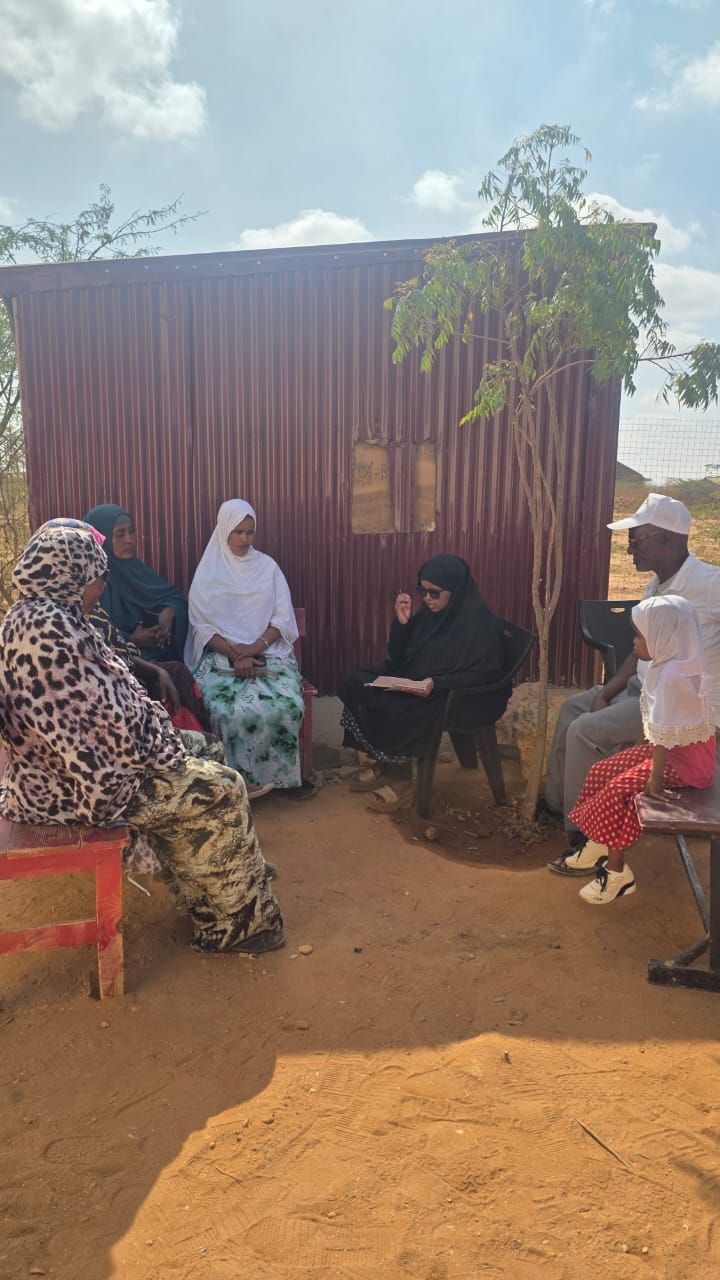
Advisory work at ASER is technical and practical. We sit with ministries, NGOs and programme units to sharpen strategies, repair broken evidence systems, and design tools that staff can keep using.
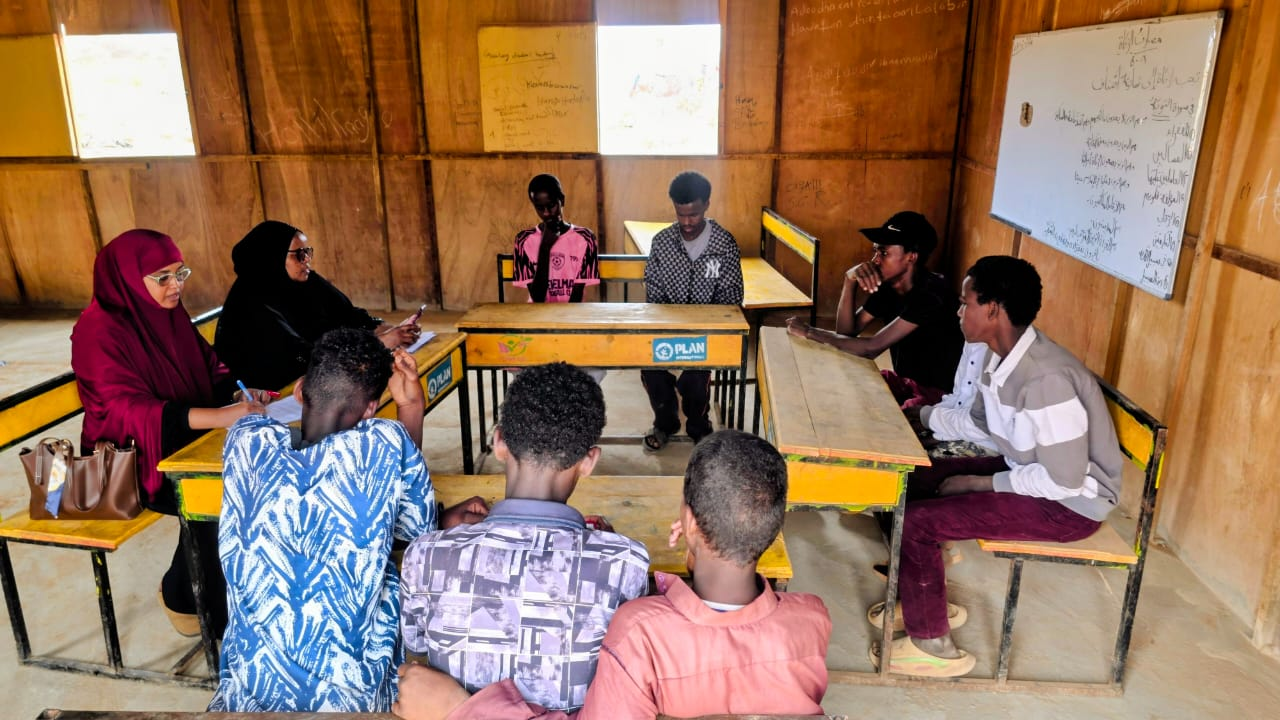
Capacity strengthening is not a one-off workshop. We combine training with co-production: staff help design questionnaires, analysis plans and quality-assurance steps so the method is understood from the inside.
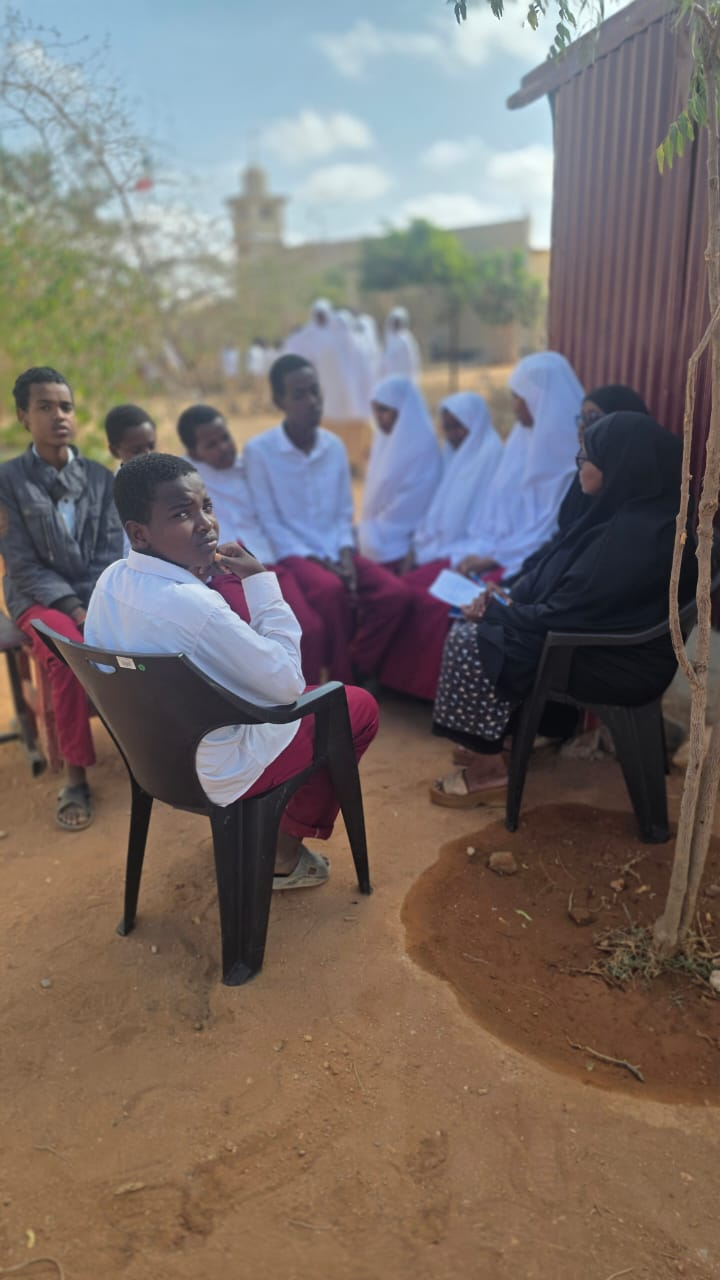
This line of work draws on the same standards as our research and evaluation practice — ethical conduct, context-specific methods, and open communication with the people who will live with the result.
What we deliver
Evidence-informed advice on programme design, targeting, sector strategies and the use of research in government and partner decision-making.
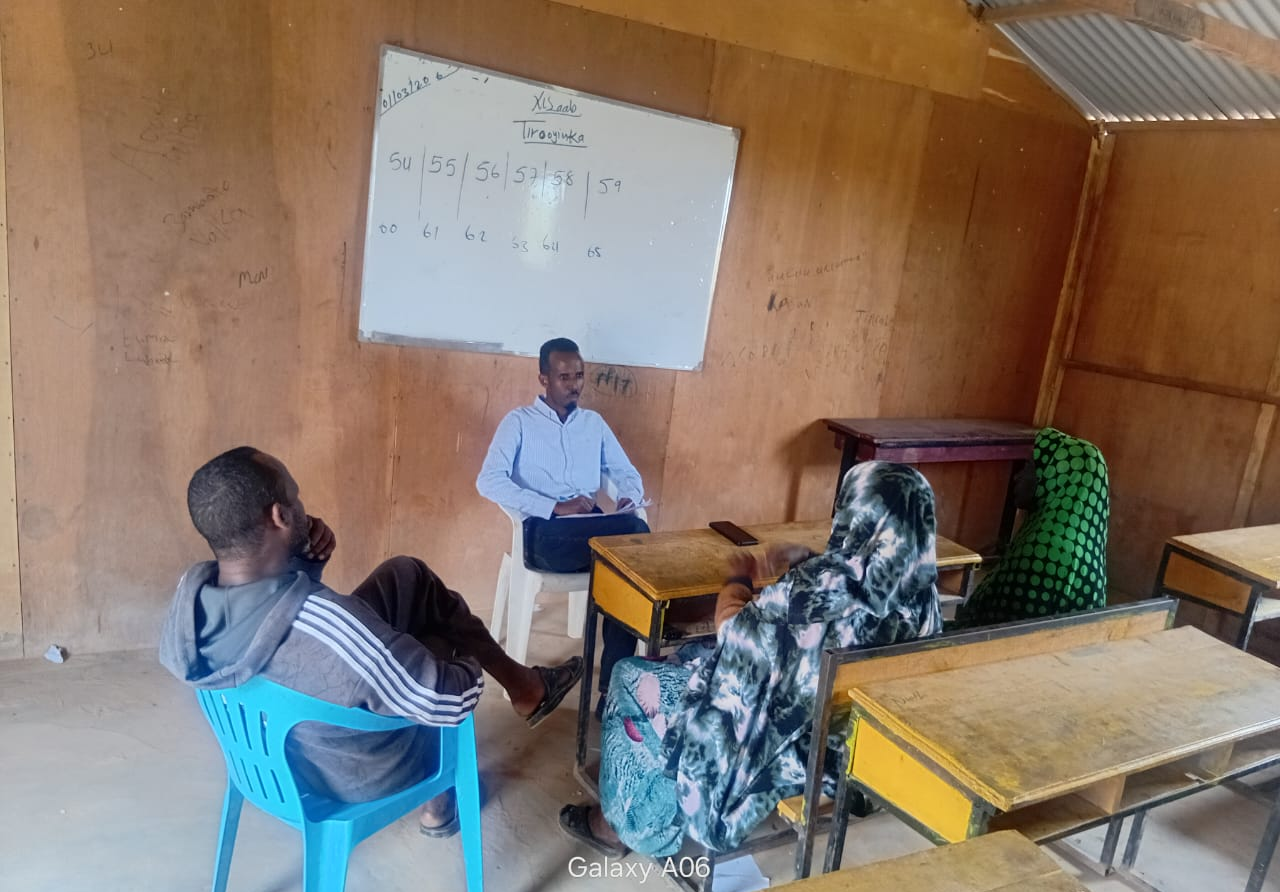
Hands-on training in methods, ethics, digital collection, analysis and reporting for mid-career researchers, enumerators and MEL officers.
Reviews of how an institution generates, quality-assures and uses evidence — including roles, SOPs and the split between implementation and QA.
Questionnaires, sampling notes, consent scripts, supervisor checklists and quality-assurance procedures tailored to the local setting.
Embedded or on-call support during a study or evaluation cycle, so teams are not left alone at the hardest steps.
Structured sessions that help partners agree questions, interpret findings and turn recommendations into a realistic workplan.
Approach
01
Understand the institution’s mandate, current evidence practice, and where capacity or incentives are blocking quality.
02
Build the advisory plan, training curriculum or system changes with the people who will implement them.
03
Train, rewrite protocols, and practise on live or realistic tasks rather than slides alone.
04
Stay available through the first application of the new method, with feedback that is specific and usable.
05
Leave documentation, trained counterparts and a clear split of roles so the work does not depend on ASER indefinitely.
Who this is for