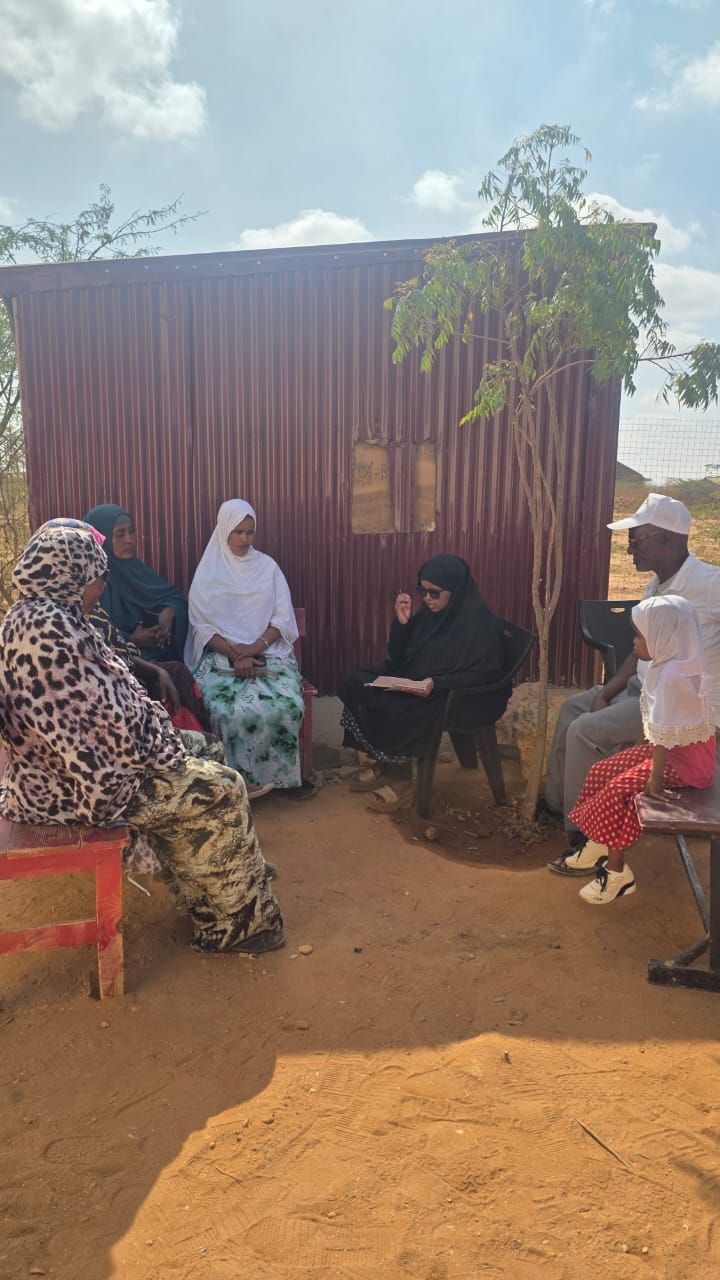
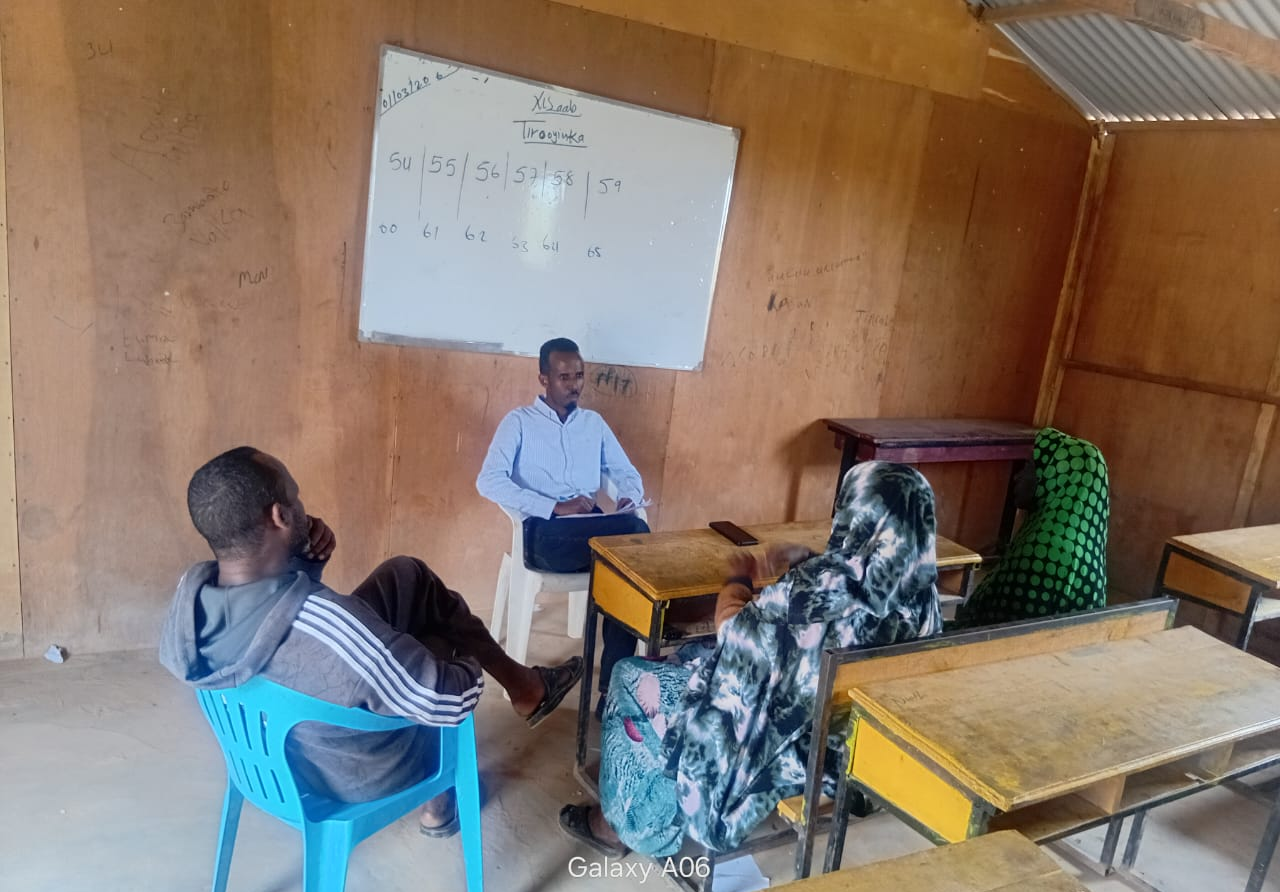
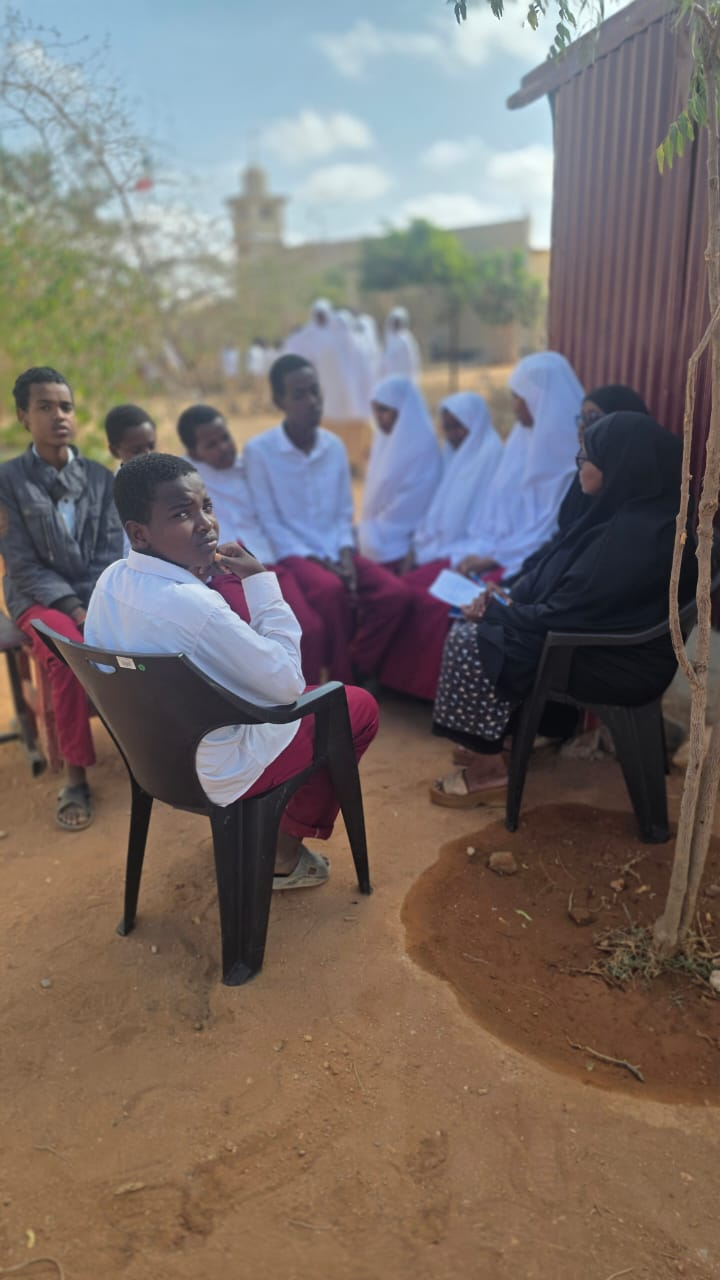
Baseline, midline and endline studies
Comparable measurement across the life of a programme, including sampling, tools, fieldwork and analysis that can stand up at inception and at close.

What we do · 01
ASER designs and delivers policy-relevant research across the Horn of Africa — from rapid assessments to multi-round studies — so decisions rest on context, not assumptions.
Research & Studies
Research is the core of ASER’s work. We help governments, UN agencies, NGOs and academic partners frame a question, choose methods that fit the setting, and produce findings that can be used in policy, programming and public debate.
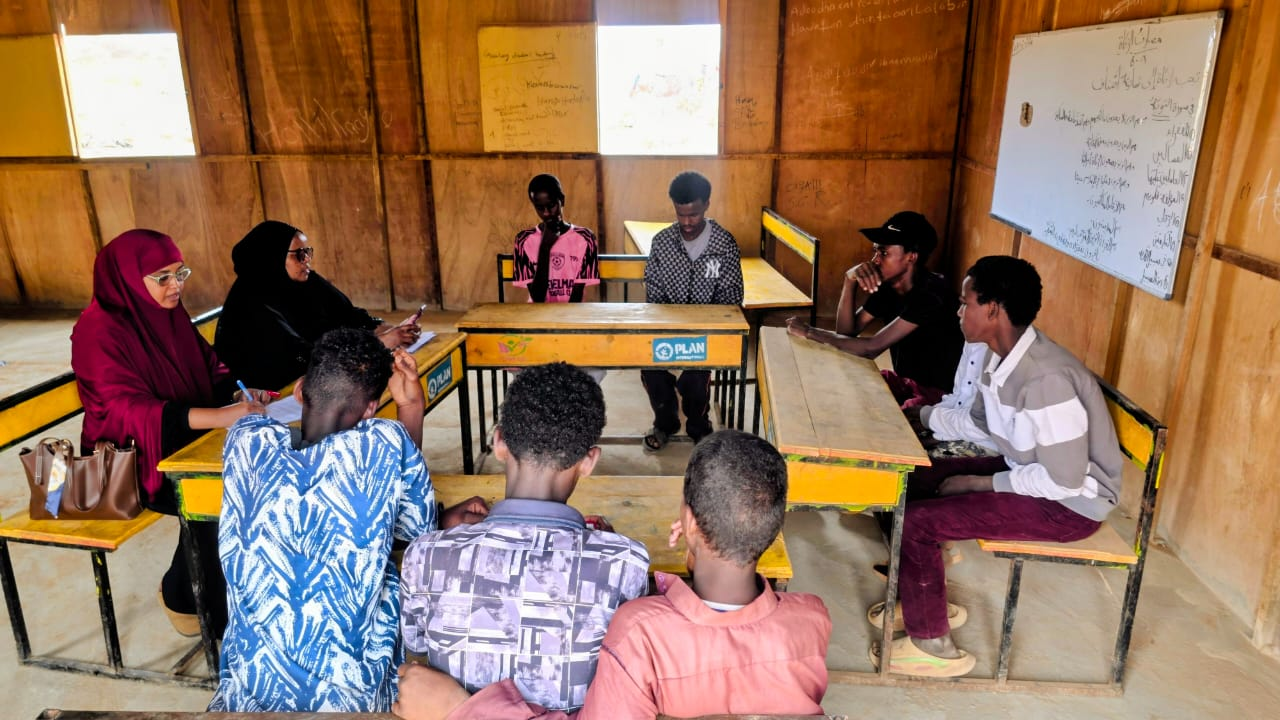
Assignments range from household and facility studies to qualitative inquiry with communities, service providers and decision-makers. We work across food security, climate and environment, WASH, gender, health, education, migration, inclusion and related fields.
Every study is built around ethical fieldwork, independent quality assurance and reporting that is clear enough for non-specialists while remaining defensible for technical reviewers.
What we deliver
Comparable measurement across the life of a programme, including sampling, tools, fieldwork and analysis that can stand up at inception and at close.
Fast, structured pictures of who is affected, what services exist, and which constraints — security, season, access, social norms — will shape a response.
Work that tests assumptions before scale-up: barrier analysis, service-user experience, targeting logic, and whether a design is feasible in the field.
Longer inquiries that synthesise primary data, secondary evidence and stakeholder perspectives into recommendations for ministries, donors and partners.
Quantitative surveys combined with interviews, focus groups and document review so numbers and narratives explain one another.
Structured reviews of existing studies, administrative data and programme documents when a new field round is not the first or only source of insight.
Approach
01
Clarify the decision the study must inform, the users of the findings, and the ethical and access constraints.
02
Agree sampling, tools, languages, field protocols and a quality-assurance plan before data collection starts.
03
Train and supervise teams locally, with independent checks, translation review and replacement of rejected records.
04
Clean, triangulate and interpret findings with sector specialists — not a one-size dashboard export.
05
Deliver a peer-reviewed report, briefing and, where useful, a presentation that decision-makers can act on.
Who this is for