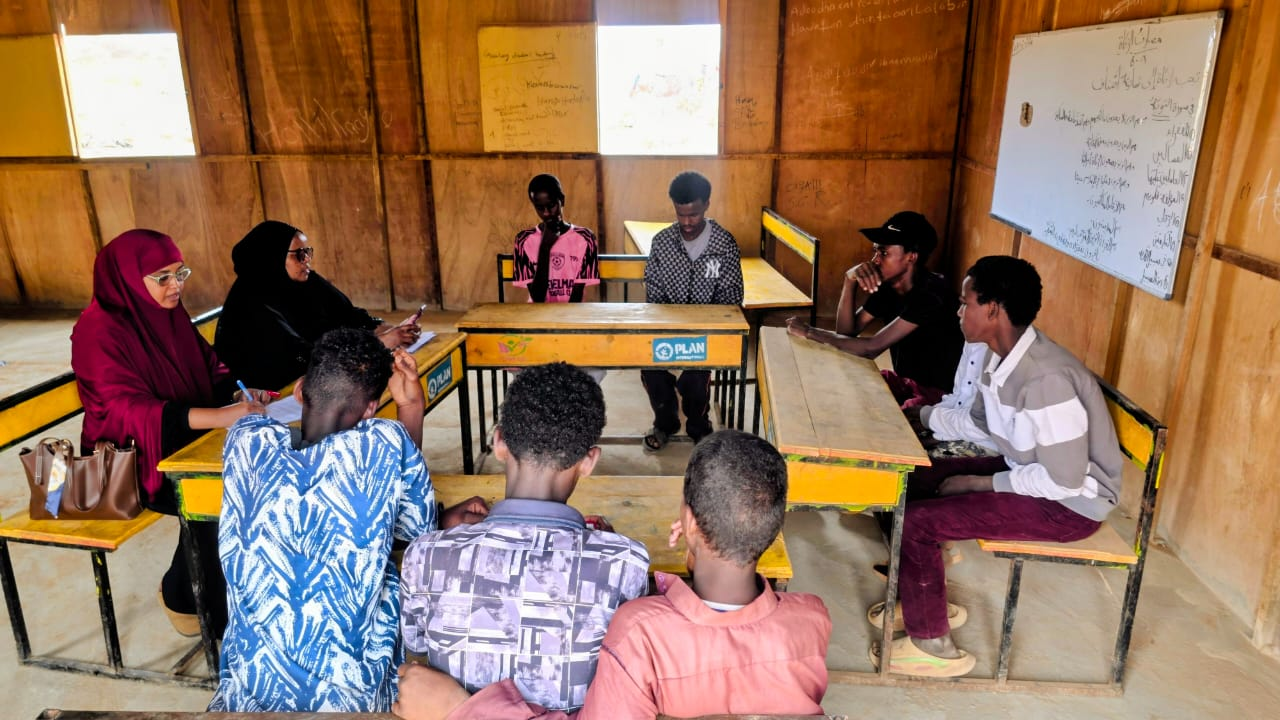
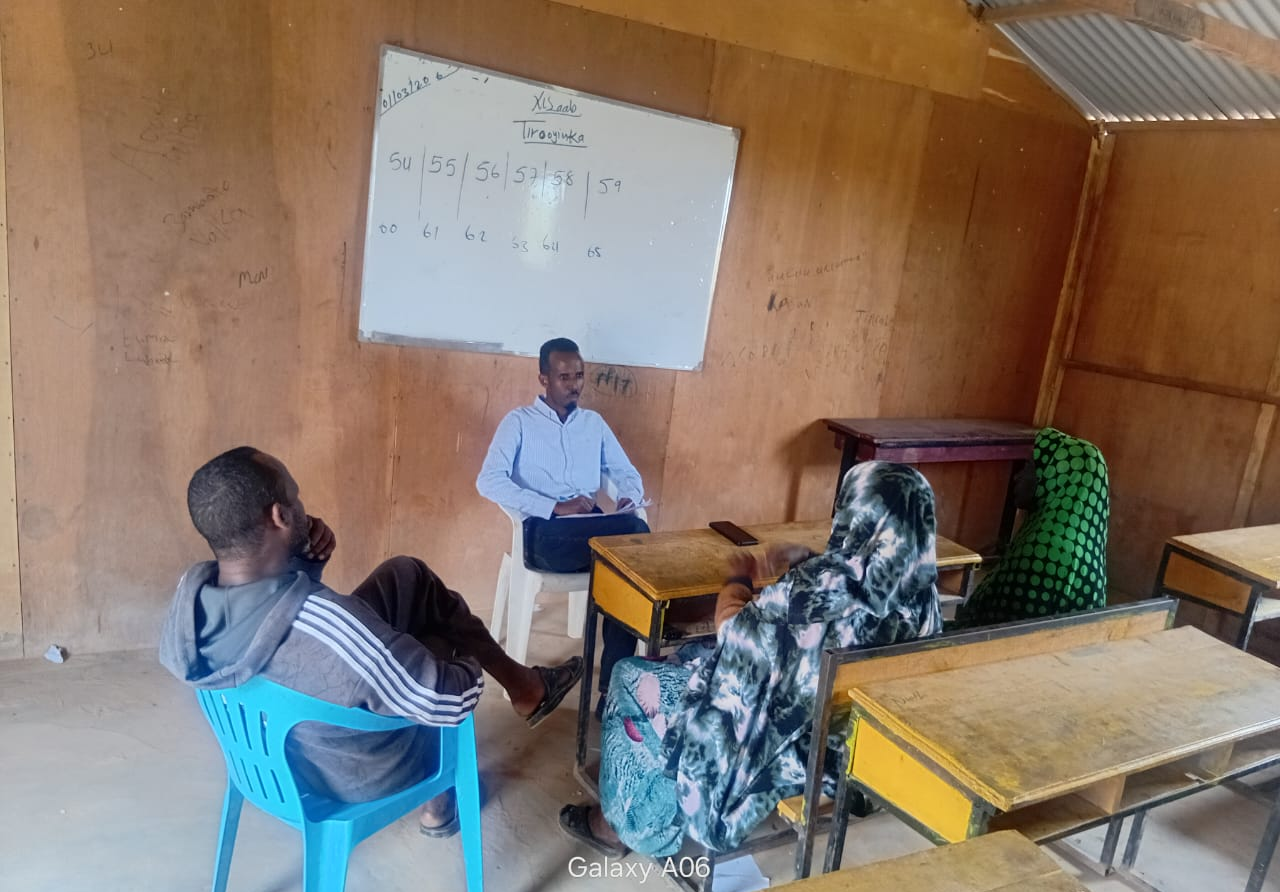
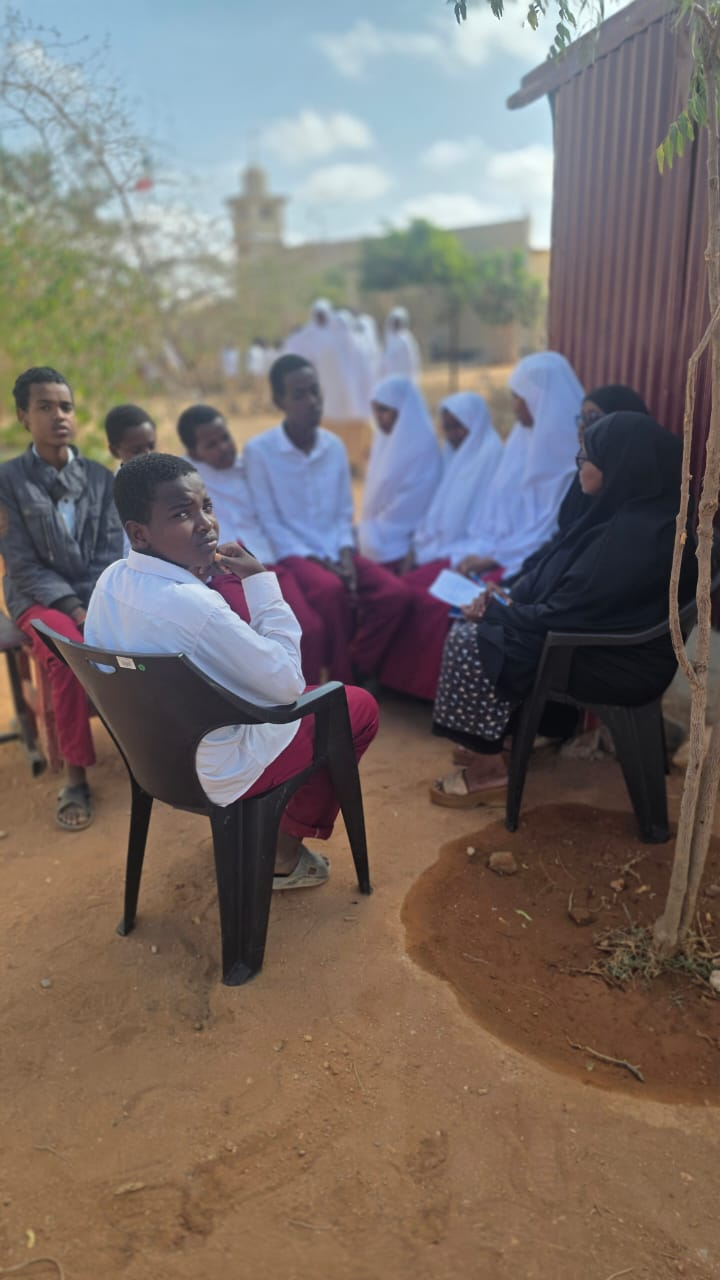
Programme evaluations
Mid-term, final and real-time evaluations of humanitarian and development programmes, including relevance, coherence, effectiveness, efficiency and sustainability.

What we do · 02
ASER evaluates what changed, for whom, and why — and builds MEL systems that teams can actually use after the consultant leaves.
Monitoring, Evaluation & Learning
Monitoring, evaluation and learning only help if they are independent of implementation pressure and honest about what the data can and cannot say. ASER keeps a clear line between those who deliver a project and those who assess it.
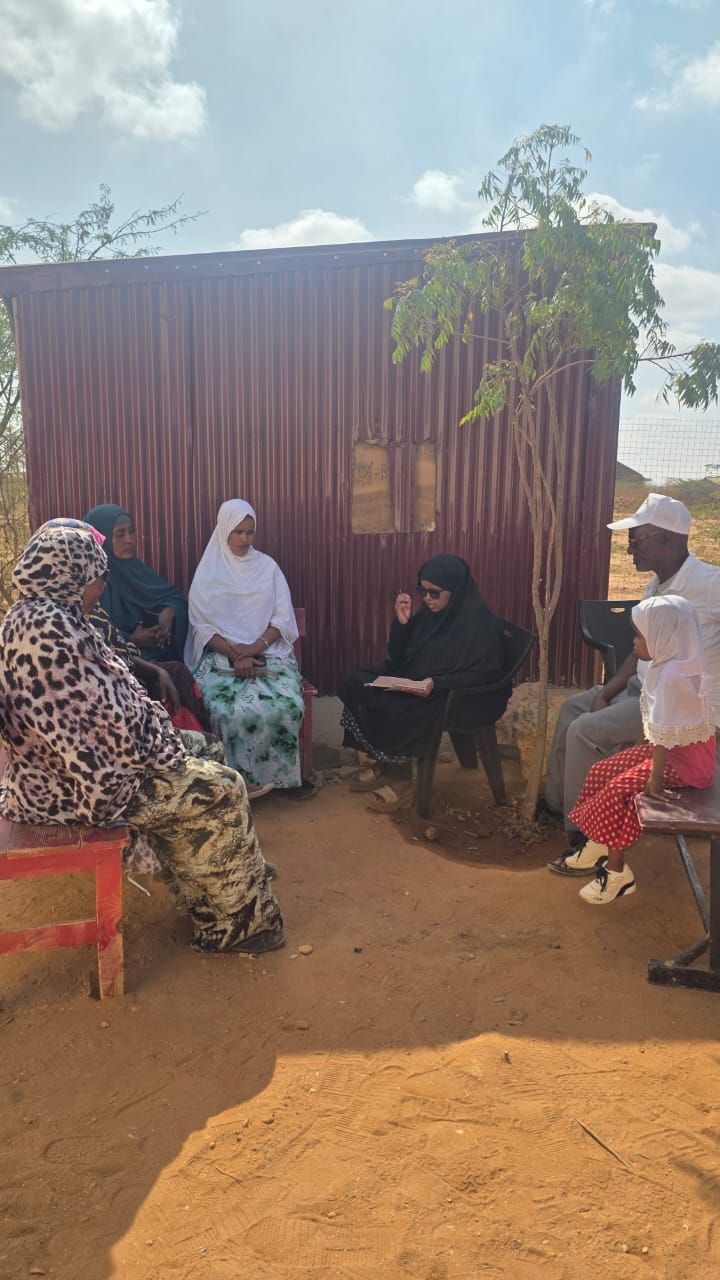
We design theories of change, indicator frameworks and evaluation questions with clients, then gather mixed evidence from communities, facilities, partners and programme records. Findings are written for both accountability and improvement.
Learning is treated as a deliverable, not an annex: validation workshops, practical recommendations, and follow-up support so results are used in the next planning cycle.
What we deliver
Mid-term, final and real-time evaluations of humanitarian and development programmes, including relevance, coherence, effectiveness, efficiency and sustainability.
Designs that go beyond activity counting — contribution analysis, outcome harvesting and, where feasible, quasi-experimental or mixed impact approaches.
Results frameworks, indicators, data-flow maps and learning questions that match the programme’s scale, partners and reporting burden.
Independent reviews of collection, supervision and analysis — aligned with ASER’s zero-tolerance approach to fabrication, manipulation or “data cooking.”
Facilitated pauses that turn field experience into documented lessons for teams, donors and national counterparts.
Help to stand up or repair routine monitoring: tools, dashboards, verification sampling and the supervision habits that keep numbers trustworthy.
Approach
01
Define evaluation questions, users, independence requirements and the evidence already available.
02
Set the theory of change, indicators, methods and ethical protocols with the client and, where needed, a reference group.
03
Collect and quality-assure primary and secondary data, keeping QA staff separate from implementation teams.
04
Sense-check findings with stakeholders before they are locked, so disagreements are visible rather than buried.
05
Report what worked, what did not, and what should change — with a realistic sense of cost, capacity and risk.
Who this is for